
Jerel Beaty
Staff writer
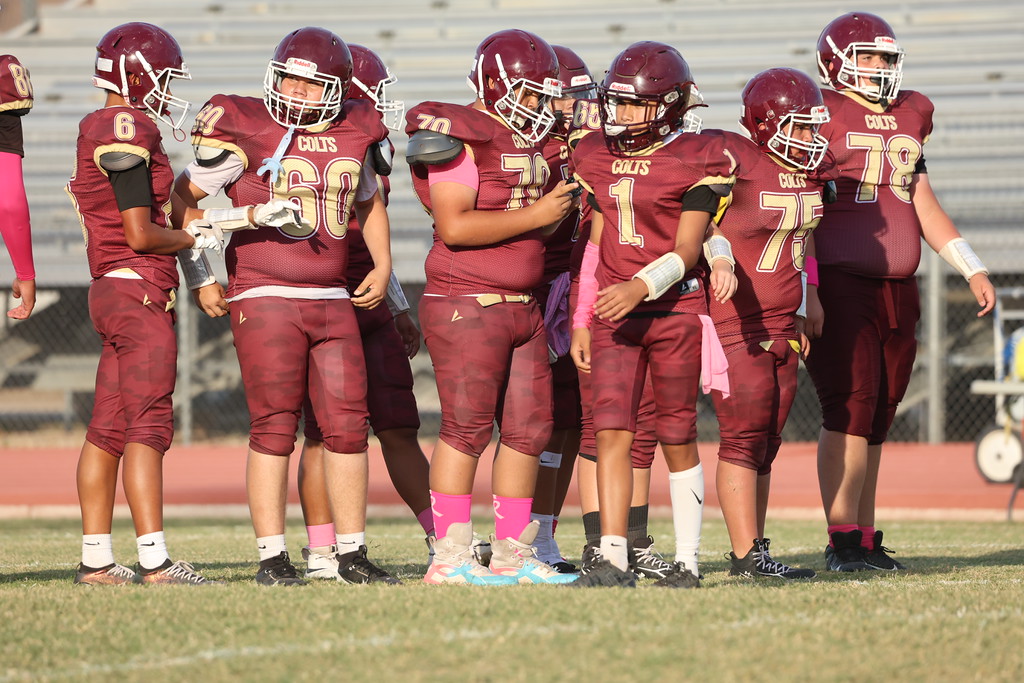
Long before Friday night lights, packed stadiums, and the excitement of high school football, the foundation for becoming a successful athlete and, more importantly, a responsible young adult is often laid on a middle school practice field.
For seventh-grade football players in Devine, the journey begins early. Morning practices demand that young athletes get out of bed, arrive on time, listen to instructions, and prepare themselves for the work ahead. Those early alarms may not always be welcomed, particularly when a comfortable bed is calling their names, but learning to show up when something is expected of them is one of the first valuable lessons football provides.
The lessons continue when the Texas sun climbs higher and 8th grade afternoon practices bring their own challenges. Heat, fatigue, conditioning, and the mental demands of learning assignments can test a young player’s patience and determination. Players discover that effort matters even when they are tired, that improvement requires repetition, and that success rarely comes without discomfort and sacrifice.
While middle school football is an important stepping stone toward the high school game, its value extends far beyond preparing athletes for the next level.
Football teaches accountability. Players learn that their actions affect the entire team. Missing an assignment, arriving unprepared, or failing to do their part can impact everyone around them. They begin to understand that being dependable means more than simply taking care of themselves. It means being someone others can count on.
It teaches teamwork and humility. Not every player will score a touchdown, make the highlight-reel tackle, or receive recognition after a victory. Every role matters, however, and young athletes learn that a team’s success depends on people working together rather than seeking individual attention. They also learn to celebrate a teammate’s accomplishments and accept constructive criticism without taking it personally.
It teaches resilience as football does not always go according to plan. Players make mistakes, lose games, face difficult opponents, and encounter days when progress seems slow. Learning to respond to adversity, correct mistakes, and return to work with a better attitude prepares young people for the inevitable challenges they will encounter in the classroom, the workplace, and life.
And then there is discipline which is perhaps one of the most valuable lessons of all. Coaches cannot make every decision for their players, nor can parents always be there to remind them of their responsibilities. Over time, athletes must learn to manage their time, follow instructions, maintain their equipment, and take ownership of their preparation. Those habits can become just as important as any skill learned on the field.
The transition from middle school to high school football brings a noticeable increase in expectations. The speed of the game, the complexity of offensive and defensive schemes, and the physical demands of practices all increase. The conditioning and work ethic developed during middle school help players establish a foundation for that transition.
Equally important is the guidance young athletes receive along the way. Devine Middle School players and their parents are fortunate to have caring, knowledgeable coaches such as Matthew Saenz, Mario De Leon, Lee Crisp, and Mike Sotelo working with these developing athletes.
The influence of a good coach reaches well beyond the playbook. Coaches teach fundamentals, correct mistakes, establish expectations, and encourage players to push themselves. Just as importantly, they have opportunities to model respect, sportsmanship, perseverance, and personal responsibility. A coach’s words may seem like ordinary instructions to a seventh-grader today, but those lessons can stay with a player for years.
Middle school is also a time when young people are figuring out who they are, where they fit in, and how they respond to challenges. A supportive coaching staff can help them recognize their strengths, learn from their weaknesses, and understand that their value is not determined by their playing time, physical ability, or the final score.
Years from now, many of these young men may not remember every drill, every score, or every game they played in middle school. They may forget the details of a particular practice or the opponent they faced on a Thursday afternoon. What they are more likely to remember is learning to work hard when they did not feel like it, standing beside teammates when things went wrong, listening to someone who expected their best, and discovering that improvement only comes one repetition at a time.
A tremendous shoutout to the 7th and 8th grade Colts on their perseverance as well as their participation during the 2026 season!