Jerel Beaty
Staff writer
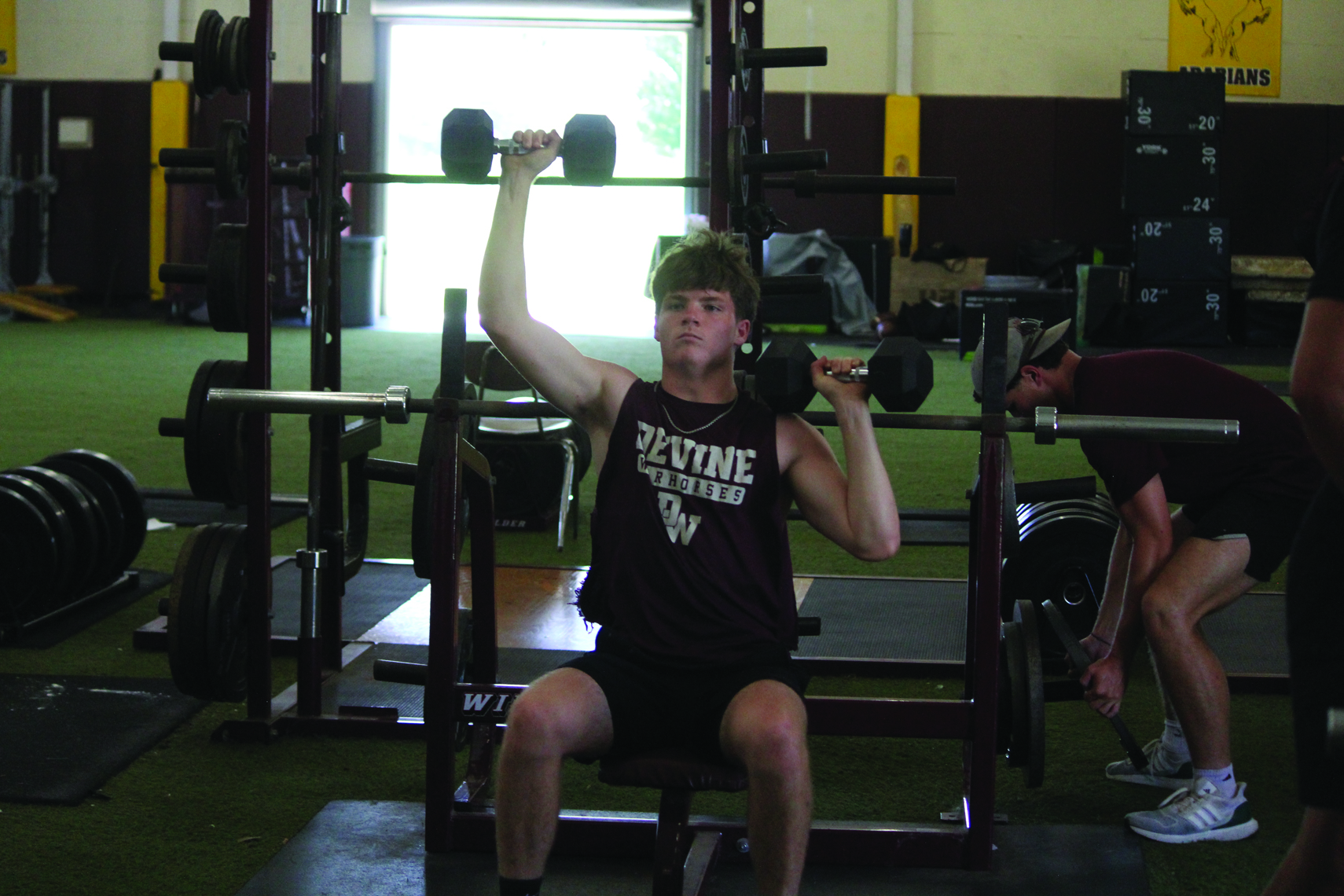
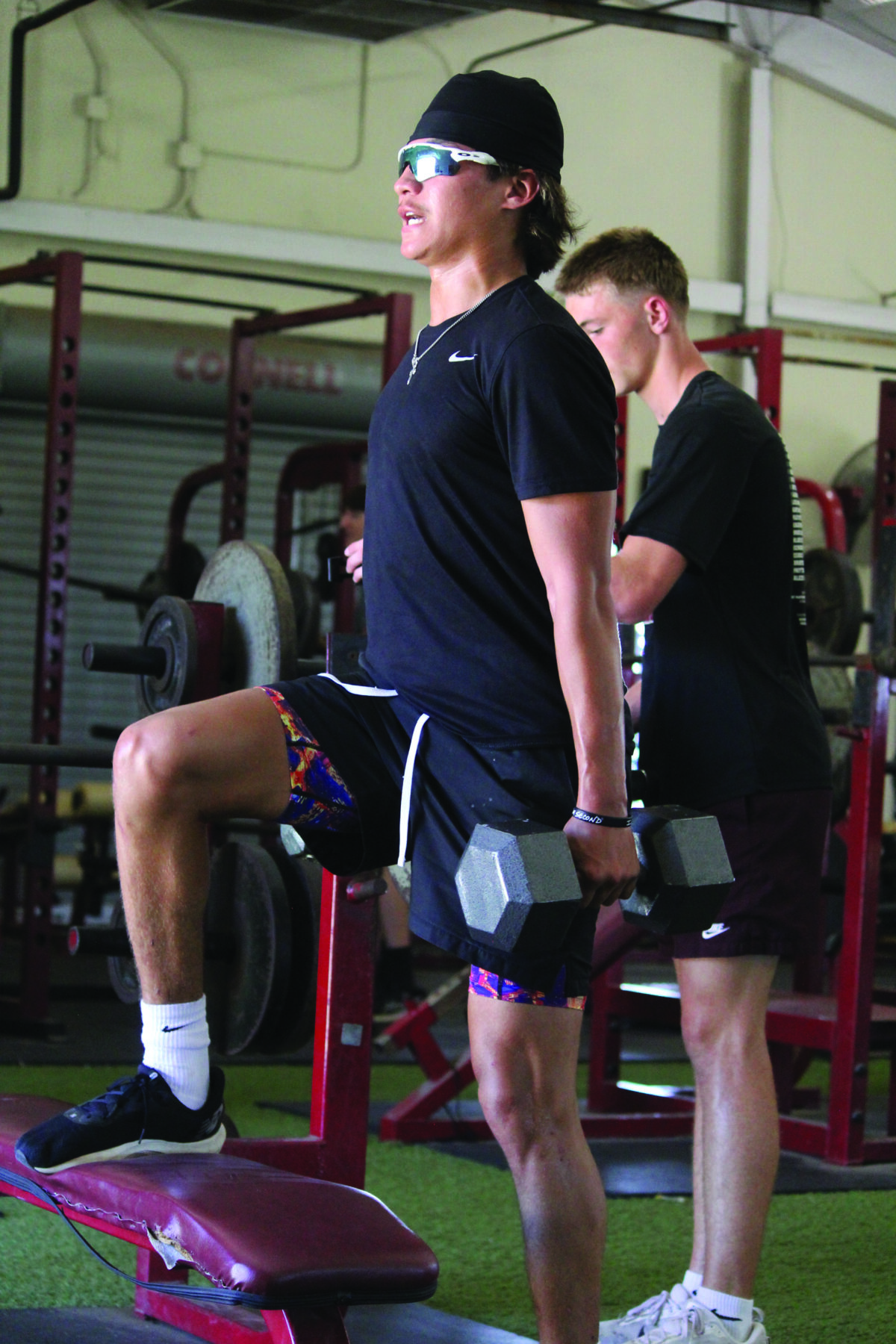
High school student-athletes have little to no plausible reason to report to two-a-day training or any fall practice out of shape. Whether it is football, volleyball, Cross Country, Team Tennis, or whatever else, today’s athletes have more offseason opportunities than ever to prepare for the physical demands that lie ahead.
With the University Interscholastic League loosening many decades-long restrictions over the last couple of years as to what coaches may teach and supervise during the offseason and especially over the summer, players should be ready to go as all fall sports soon begin.
Coaches invest in summer preparation-oaches in Devine, Lytle, and Natalia dedicate much of their summer “free time” to coaching, teaching, and training athletes from every sport at their schools. The word “free” deserves quotation marks because, although most positions include a stipend, the hourly return is far from the reason coaches show up.
They do it because they care about their athletes, their programs, and the product they put in front of their sports-loving communities.
Preparation creates separation
Athletes who either skip summer training altogether or do the absolute bare minimum risk giving other athletes the chance to pass them by. A player who was slightly behind in strength or skill when school let out three months ago has more than enough opportunity to gain ground or even move ahead by showing up consistently through the summer.
So why does it matter if the season officially starts on the first Saturday or first Monday in August? Because not every athlete arrives on equal footing.
Coaches notice when players report out of shape or when they have failed to improve from where they were at the end of the previous school year. They also notice the athletes who continually commit to improving.
Training, nutrition, and recovery matter-Consistent training and a healthy diet give athletes the opportunity to build strength, improve skills, increase endurance, and enhance overall fitness without the immediate pressure of competition. That foundation supports better performance and can help reduce the risk of injury once official season training begins.
Offseason programs allow athletes to focus on specific areas of improvement, including muscle strength, endurance, agility, technical skills, and weaknesses that may have shown up in previous seasons. This kind of preparation helps athletes return to competition more confident and better equipped for success.
Nutrition is just as important. A healthy diet rich in lean proteins, whole grains, fruits, and vegetables along with steady hydration provides the energy needed for training and recovery. It also supports muscle growth and repair while helping athletes maintain a healthy weight.
When a player “crashes” during a workout, the cause is often not limited to what happened during a particular practice that morning or that afternoon. More often, it connects back to how well the athlete refueled, rehydrated, and recovered the night before and the morning of their next practice.
START NOW!It is never too late to begin a healthy, beneficial routine. With Team Tennis and Cross Country already practicing, volleyball set to serve on Saturday, August 1, and football hitting the grass Monday, August 3, the time to start (or continue) is always going to be right now.
Hydrate responsibly.
Eat nutritionally balanced meals.
Exercise with a purpose.
Give your body and yourself the best chance to be successful and to remain healthy. Best wishes to all student-athletes, marching band members, and cheerleaders on a fantastic and healthy 2026-2027 school year!