

Beverly Burns of Natalia, Texas, went to be with the Lord on July 23, 2026, at the age of 84. She was born on September 23, 1941, in Castroville, Texas, to Lyle D. and Ruth Irene Pugh.
Beverly graduated from Natalia High School. She married Jack Burns on January 19, 1963, and together they shared sixty-three years of marriage, building a life centered on faith, family, hard work, and devotion.
Beverly was a warrior in every sense of the word. She faced cancer more than three different times with courage and steady faith in God. She prayed daily for her family and friends. Strong, selfless, and full of grace, she loved and protected her family, always considering them her greatest treasure.
She was a dedicated homemaker and, behind the scenes, the chief operating officer of several family businesses, including Burns Dairy, Burns Drilling, Burns Feed, and Burns Farm. Her determination, good sense, and steady presence kept both the household and the businesses moving forward.
Beverly was a perfect balance of sassy and sweet; strong and tender. She showed her love through home-cooked goods, an honest word, a helping hand, and the simple act of making sure everyone was cared for and listened to.
Beverly was a devoted wife, mother, grandmother, great-grandmother, sister, and friend. Her legacy lives on through her kind husband, Jack Burns, her children, Jack David Burns and his wife, Kelli, of Weatherford, and Brenda Emley of Natalia; her grandchildren, Kayla Beeler, Zachary Burns and his wife, Mackenzie, Sarah Baeza and her husband, Sergio, Zoe Pruitt and her husband, Joshua, Mia Love Emley, and Krista Newby and her husband, Rayne; her great-grandchildren, Jessie Pruitt and Kennedy Burns; and two great-grandchildren on the way.
She was preceded in death by her parents, Lyle D. and Ruth Irene Pugh; her sister, Dolores Todd and her husband, Royce Todd.
While we grieve Beverly’s absence, we rejoice in knowing she is whole, healed, and in the presence of her Savior. We miss her more than words can express, but we are grateful that this goodbye is only temporary.
The funeral service will be held at 9:00 a.m. on Friday, August 7, 2026, at Tondre-Guinn Funeral Home, 1016 Lorenzo Street, Castroville, Texas. Interment will follow at Lytle Community Cemetery in Lytle, Texas.
Memorial contributions may be made in Beverly’s memory to the charity of the donor’s choice.
Arrangements are under the direction of Tondre-Guinn Funeral Home, Castroville, Texas. www.tondre-guinn.com
Author: admin
Devine FCCLA National Leadership Conference Update
Devine FCCLA sent 7 students to compete in STAR Events in Washington, D.C., in July. Pictured are Kayla Dzierzanowski, Cat Brown, Kamden Paige, Kelvey Cortez, Isabella Gonzales, McKailee Sorrell and Paige
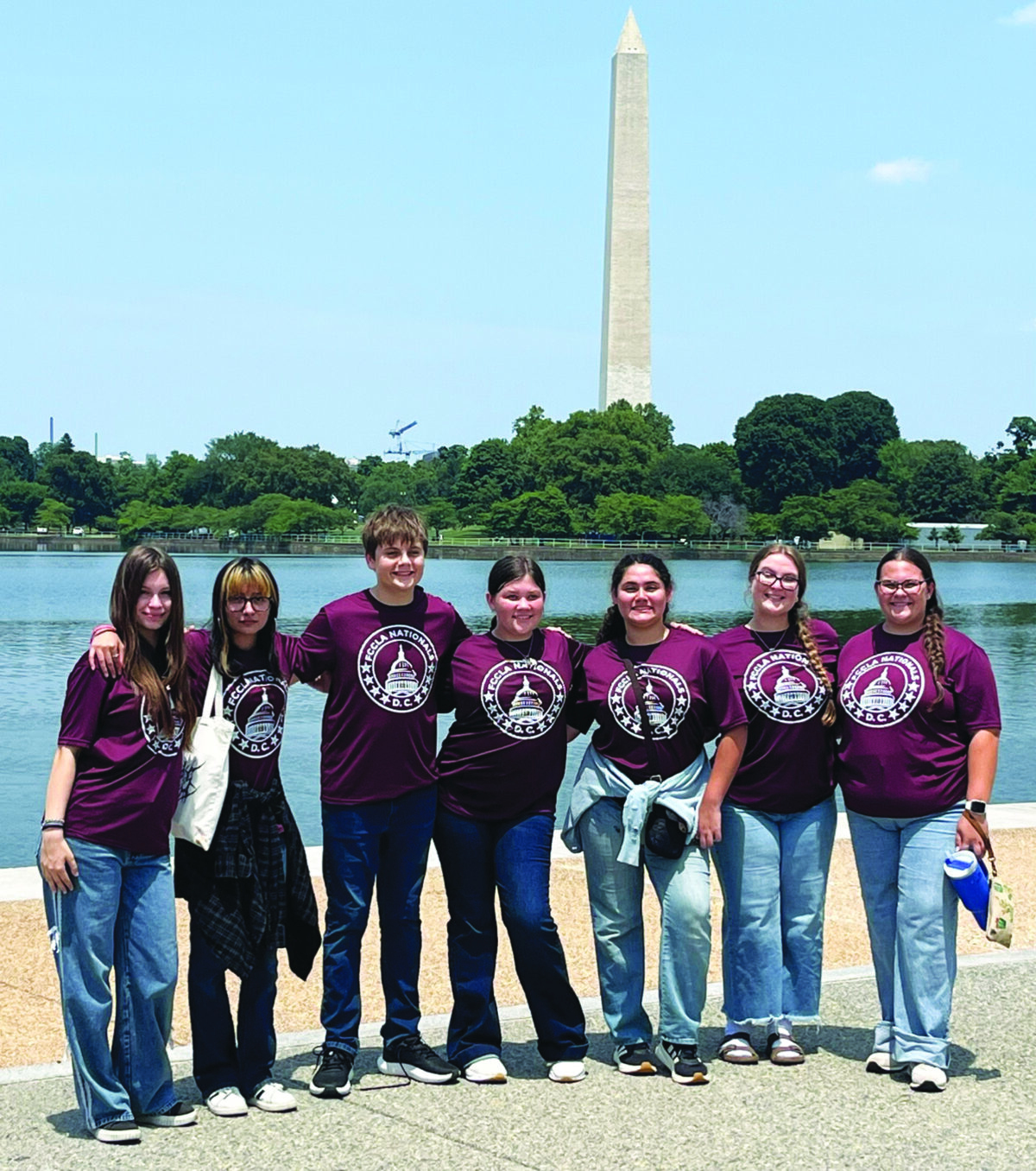
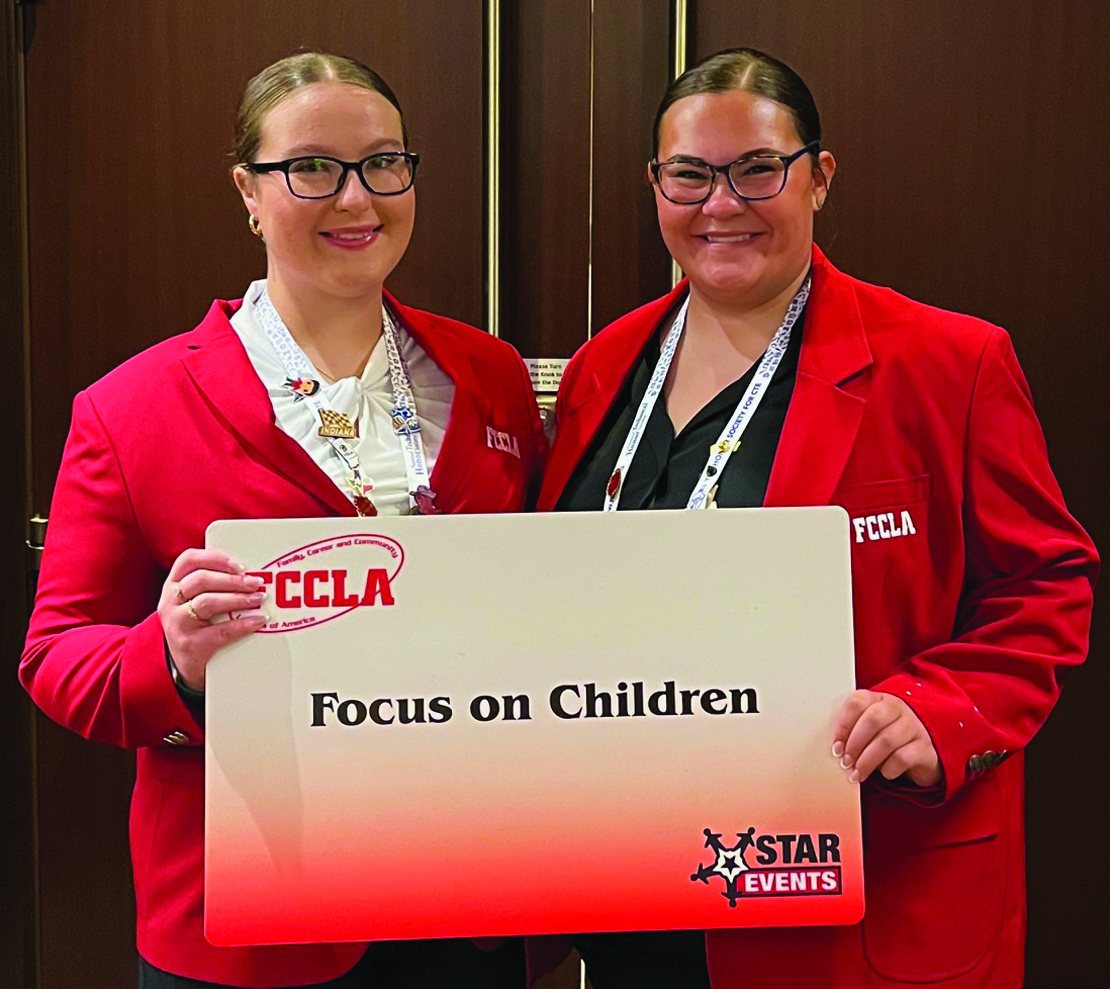
National FCCLA STAR Event placings have been released for all those who did not place first through third at the leadership conference held in Washington, D.C., in July. Devine FCCLA had two teams still awaiting their final placings. Juniors Paige Barron and McKailee Sorrell left the conference with silver medals, meaning that they scored anywhere from 80-89 points on their judges’ rubric. Recently, Devine FCCLA was notified via email of discrepancies in the judging system. The following excerpt is from the email:
While importing scores from our Judge Pro platform into the FCCLA Portal, we discovered that the Room Consultant scores were inadvertently omitted from the original upload. Once this was brought to our attention, we immediately corrected the issue by importing the missing scores into the portal.
Although these updates did not change any student placements, they did affect some overall scores and, as a result, the medal level earned by some participants. Specifically, some students who originally received silver medals should have received gold medals.
As a result, Barron and Sorrell will now receive gold medals! Overall, they placed 26th nationally in a very competitive Focus on Children, Level 3 category.
The other team awaiting their final placing was Kelvey Cortez and Isabella Gonzales, who competed in Interpersonal Communications, Level 1. The girls participated in the Top 10 Finalists session on the last day of the conference. Finally, they know that they placed 8th overall in the nation!
As previously reported, the two other teams who competed were Kamden Paige, who placed 1st in Leadership, Level 1; and Catherine Brown and Kayla Dzierzanowski, who placed third in Public Policy Advocate.
Local Police report

Devine Police Report
July 17
10:26AM – Officer assisted Frio County Sheriff Office with serving a felony warrant on Adams Ave.
20:00PM – Officer issued three citations to 18 wheeler parked on Oakhill Dr.
July 18
5:28AM – Assisted MCSO with 911 hang up on PR 7616. Unable to locate.
9:32AM – Complainant advised of 18 wheeler parked in no parking zone on IH 35 S. Unable to locate.
11:40AM – Assisted MCSO attempting to locate stolen Amazon van traveling east bound on CR 777. Unable to locate.
12:15PM – Officer issued citation to female subject on Hondo Ave W for DWLI.
14:20PM – Assisted MCSO with BOLO for silver single cab Dodge. Driver suspect in AGG ASSLT with DW-FV on CR 5710 and SH 173. Unable to locate.
14:35PM – Complainant reported 18 wheeler in no parking zone on IH 35S. Departed prior to officer’s arrival.
14:39PM – Complainant on College Ave called in reference to gray Toyota 4 door occupied with multiple subjects that keeps passing by building. Unable to locate.
18:33PM – Complainant on Hondo Ave E reported male threatened him. Left in black Hondo prior to officer’s arrival. Subject attempted to interact with male customer who got annoyed. Complainant wanted Criminal Trespass Warning if subject returned.
18:43PM – Caller on IH 35 S reported 18 wheeler tailgating Nissan SUV going 980 MPH. Officer checked area but unable to locate.
20:26PM – Officer issued citation to 18 wheeler parked on Oakhill Drive.
July 19
11:55AM – Officer served two MCSO warrants for VOP-PCOS PG 1/-1/B<1G and FTA-PCOS PG 1/1-B<1G on male subject on Watson Ave. Subject jailed.
19:05PM – Report of debris in roadway at MM 1225 on IH 35. Several sheets of construction underlayment found near creek and removed from roadway.
23:20PM – Officer assisted MCSO with traffic stop of female on bike.
July 20
15:35PM – Assisted MCSO with BOLO for dark colored Durango with red and blue lights on window. While ob I35 SB it was turning on the lights then off. Unable to locate.
16:34PM – Officer dispatched to IH 35 S for theft under $100; two suspects (male and female) cited and released.
20:27PM – Officer dispatched to Hester Ave for two juveniles on a go kart doing donuts. Both juveniles were located and were followed to their residence. Officer made contact with mom.
21:08PM – Officer assisted MCSO with welfare concern on male subject. Made contact with mom; all okay.
July 21
8:44AM – Complainant on Hondo Ave E called in reference to a suspicious pickup parked under basketball hoop occupied with one male. Subject was asked to leave property.
23:05PM – Officer assisted with small grass fire on Hondo Ave E possibly caused by nearby transformer.
July 22
5:43AM – Officer dispatched to Bright Dr N for verbal disturbance between female and male.
9:40AM – Complainant on Malone Dr called in reference to white Ford pickup parked at Golf Course with a week. Referred to Friendly Glenn’s.
15:15PM – Assisted MCSO on Davis with female who might self harm. Runaway follow-up. All okay.
19:35PM – Officer issued citation to two truck tractors parked in no parking zone on Oakhill Dr.
21:00PM – Complainant on Pilgrim Dr thinks someone is in backyard. Arrived and found complainant on front porch. Complainant stated heard what sounded like someone walking in back area of house. Checked area and in residence; no signs of anyone inside.
July 23
20:36PM – Officer issued two citations to drivers of 18 wheelers parked on Oakhill Dr.
Lytle Police Report
Monday, July 20
10:39 AM – 19300 Blk. D’Hanis St. – Officers responded to an active alarm and discovered it was a test.
11:25 AM – 18500 Blk. Live Oak St. – Officer issued a burn permit for two brush piles.
3:49 PM – S. Prairies St. @ Oak St. – Officer made contact with a disoriented elderly female. The female’s grandson was contacted to pick her up as the officer waited with her.
7:19 PM – FM 3175 @ IH 35 Frontage Rd. – Officer provided a courtesy ride to a female resident to her home.
7:57 PM – 19300 Blk. McDonald St. – Officers responded to a report that a male was passing $20 and $50 counterfeit bills at two different times. The $50 transaction was declined at the counter, and the male customer departed the store.
10:45 PM – 15400 Blk. Main St. – Officer responded to an active alarm and discovered it had been triggered accidentally.
10:29 PM – 19500 Blk. McDonald St. – Officer responded to a report of an unwanted homeless male in the parking lot.
Tuesday, July 21
9:34 AM – 14800 Blk. LytleSomerset – Officer responded to a reckless driver report but the vehicle had departed before the officer’s arrival.
10:31 AM – Assist Lytle VFD – Assist Atascosa County Sheriff’s Office – 600 Blk. Indian Sunset Dr. – Officers responded and deployed the PD drone for a structure fire outside the city limits of Lytle.
12:48 PM – Diaz St. @ HWY. 132 – Officer responded to a malfunctioning railroad crossing and notified Union Pacific Railroad.
4:04 PM – 19500 Blk. McDonald St. – Officers responded and issued a CTW to an unwanted female customer.
5:51 PM – 19900 Blk. FM 3175 – Officer responded to a report of a suspicious male in a vehicle. The vehicle departed before the officer’s arrival.
6:27 PM – 19700 Blk. Bruce St. – Officer responded to a suspicious male at the mailboxes. Everything was okay.
10:15 PM – 19900 Blk. Wyatt Earp Way – Officers responded to a report of a male juvenile hiding behind vehicles in a resident’s driveway. Officers were unable to locate the juvenile. No damage or theft occurred.
10:20 PM – 19500 Blk. McDonald St. – Officer responded to a report of a homeless male who had been Criminally Trespassed but could not locate him.
Wednesday, July 22
9:42 AM – 14800 Blk. Main St. – Officer responded to unlock a 2021 Ford Bronco.
1:20 PM – 19300 Blk. Blume Dr. – Officer responded to speak to a resident regarding neighborhood concerns.
4:38 PM – 14600 Blk. Main St. – Officer responded to an active alarm. The business was secure.
6:25 PM – Wisdom Rd @ Lake St. – Officers provided traffic control for a water leak repair.
8:00 PM – 19400 Blk. McDonald St. – Officer responded to unlock a 2013 Mazda
7:18 PM – 19300 Blk. McDonald St. – Officers responded to a verbal disturbance between two males.
8:05 PM – 19500 Blk. McDonald St. – Officer responded to a report of a homeless male who was Criminally Trespassed but could not locate him.
Thursday, July 23
11:07 AM – Assist Atascosa County Sheriff’s Office – Laura Lee Ln. – Officers responded and deployed the PD drone for a structure fire outside the city limits of Lytle.
12:28 PM – 14800 Blk. Main St. – Officer provided plans review and issued a permit for the kitchen vent hood system.
12:31 PM – S. Somerset St. @ Oak St. – Officer assisted clearing a stranded 2016 Nissan Titan out of the roadway.
2:15 PM – 19700 Blk. Bruce St. – Officer responded to a suspicious activity report to discover an Atascosa County Precinct 2 Constable at the vacant residence issuing an eviction notice.
4:47 PM – 19300 Blk. McDonald St. – Officer responded to an unwanted customer who had departed before the officer’s arrival.
7:08 PM – 20000 Blk. Wyatt Earp Way – Officers responded to an active alarm that was accidentally set off by an employee.
8:28 PM – 14900 Blk. Main St. – Officers responded to a report of a male exposing himself, but the male had departed before the officers’ arrival.
Friday, July 24
12:11 AM – 16100 Blk. Farmer – Officer responded to a report of a suspicious vehicle but was unable to locate the vehicle.
1:30 AM – 14900 Blk. Main St. – Officer observed a vehicle with an open door. Everything was okay.
2:32 AM – 14900 Blk. Main St. – Officers responded to a physical family disturbance.
A 49 year old male was arrested for Assault Bodily Injury Family Violence and booked into the Atascosa County Jail.
4:19 AM – 19600 Blk. Martin St. – Officer responded to an active alarm. The residence was secure.
4:38 PM – 900 Blk. Naegelin Rd. – Officers responded outside the city limits of Lytle to a report of a verbal disturbance.
Saturday, July 25
1:57 AM – IH 35 SB # MM 133 – Officers responded to a report of a reckless driver but were unable to locate the vehicle.
11:25 AM – Lytle PD – Officers spoke with a female by phone regarding a package delivered to the wrong PO Box.
2:03 PM – CR 683 @ SH 132 – Officers responded to a report of a reckless blue Ford SUV but could not locate it.
4:48 PM – 19300 Blk. McDonald St. – Officers responded to a report of an intoxicated male. Everything was okay.
7:40 PM – 19500 Blk. McDonald St. – Officers responded to an unwanted customer. The male departed before the officer’s arrival.
9:33 PM – Lytle Area – Officer responded to a report of the railroad crossing arms being down but could not locate any that were down.
9:38 PM – 14800 Blk. Lytle-Somerset – Officer responded to check on an elderly male. Everything was okay.
10:19 PM – 19500 Blk. McDonald St. – Officers responded to a report of a male trespassing. A 71 year old male was arrested and booked into the Atascosa County Jail.
Sunday, July 26
2:41 AM – 19300 Blk. McDonald St. – Officers responded to a report of a suspicious male in a white Ford Super Duty but were unable to locate him.
9:32 AM – 19500 Blk. McDonald St. – Officers responded to a report of a white Chevrolet Malibu driving recklessly on IH 35.
11:11 AM – Assist Medina County Sheriff’s Office – IH 35 SB MM 127 – Officers responded outside the city limits of Lytle to a report of a physical altercation at MM 127 between two males. Officers were unable to locate the males.
11:18 AM – N. Prairie St. @ Railroad St. – Officers responded to a report of a missing railroad crossing arm. Union Pacific Railroad was contacted but was unable to provide a repair time for the missing arm.
2:14 PM – Assist Atascosa EMS –20200 Blk. IH 35 – Officers responded to assist a patient experiencing a medical emergency.
5:34 PM – 19300 Blk. McDonald St. – Officers responded to unlock a Honda CRV.
9:51 PM – 15000 Blk. Main St. – Officer responded to a report of an older gray Ram pickup but could not locate it.
10:15 PM – Assist Medina County Sheriff’s Office – 300 Blk. CR 679 – Officers responded outside the city limits of Lytle to assist with a disturbance but were canceled upon arrival.
10:44 PM – Saddle Ridge Subdivision – Officers responded to a report of shots fired but did not hear any gunfire.
11:17 PM – Saddle Ridge Subdivision – Officers responded to a report of fireworks set off in the area but could not hear any.
Uvalde County…28 inches in 4 days

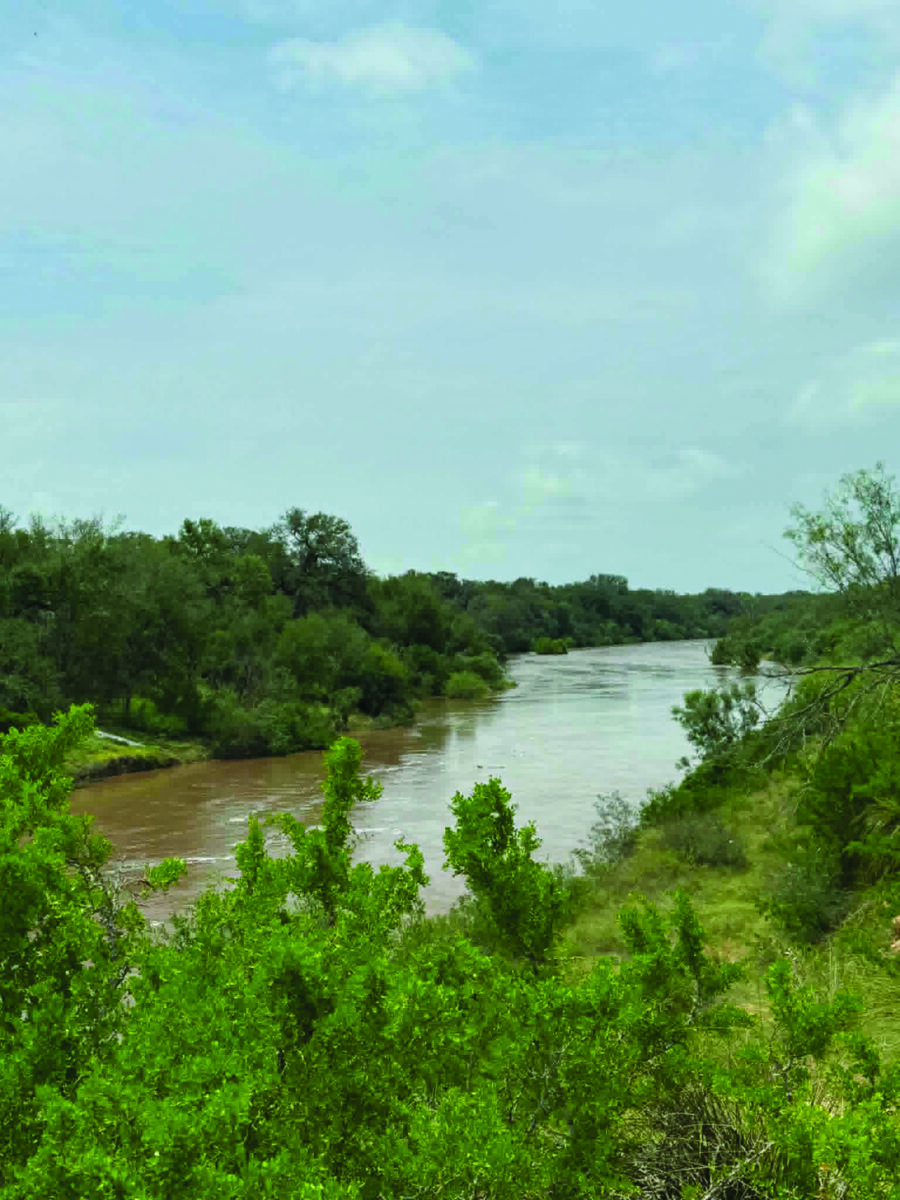
According to the Texas Almanac, the average yearly rainfall total in Uvalde County is just over 22 inches annually. This aerial shot over the Nueces River at the FM 481 bridge in Uvalde County shows just how powerful floodwaters were as Uvalde County received a year’s worth of rain within four days from Monday, July 13 to Thursday, July 16. Photo credit: Texas Game Wardens.

How you can help flood victims
If you are looking for a way to help our neighbors in Uvalde County–the Uvalde Chamber of Commerce is collecting items. They have a drop-off site from 9am-4pm at 3040 N Getty in Uvalde.
They stated they are in need of the following items:
They stated they are in need of the following items:
1) Cleaning Supplies like bleach and Clorox wipes
2) Bedding such as blankets and pillows
3) Non perishable snack food as many residents do not have kitchens to prepare food right now.
You can contact them 830-278-3361 or by email at info@uvalde.org
Want to come Volunteer??
COME TO THE VRC!!
DAILY.
8am – 5pm.
Cactus Room of the SSGT. Willie De Leon Civic Center in Uvalde. They are also accepting donations there. More info on flyer on page 5.

Bomb squad detonates old military explosive device found in vehicle
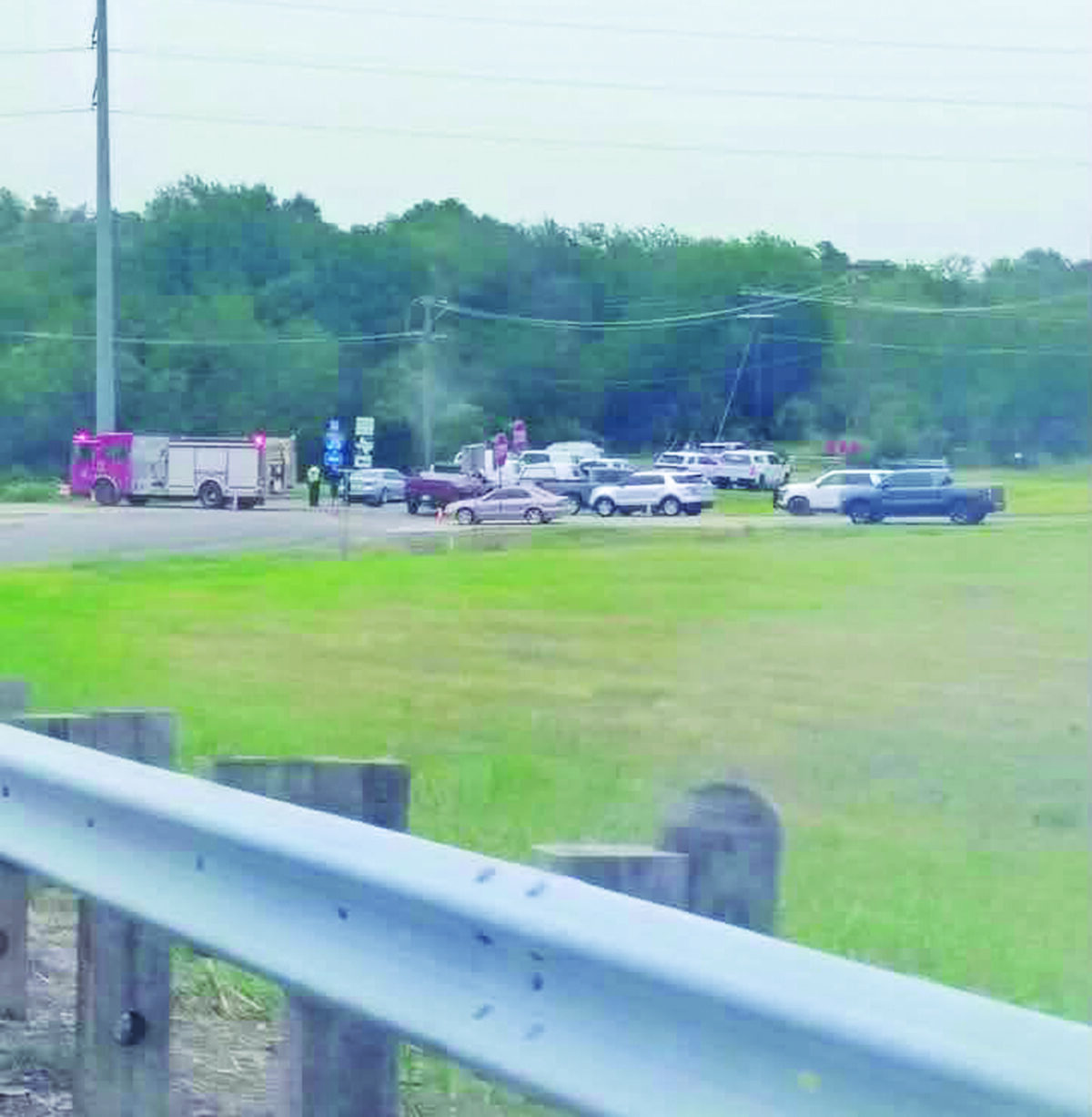
Suspect Joseph Vasquez was taken into custody and charged with possession of a Prohibited Weapon this past Tuesday, July 14, after Medina County Sheriff’s Office deputies responded to a disturbance call on Teepee Road.
“There was a disturbance call and deputies learned that the suspect supposedly had a ‘bomb’ in his vehicle. They found…LOGIN TO CONTINUE READING at www.devinenewsmembers.com. You will get instant access to our full E-edition, and begin getting the newspaper delivered to your home next week for $36 a year in Medina County. Support important local city, county, and school news like this!

“We got spirit, yes we do! We got spirit, how about you?”

This past week, Devine High School Cheerleaders helped train the future generations at the annual Mini Cheer Camp. There were approximately 148 campers plus 28 from the DHS cheer squad. Warhorse & Arabian fans mark your calendars…
The Booster Club invites you to come out and meet the athletes, band, and cheerleaders at Warhorse Stadium August 7th at 7pm. Photo by KK Calame.
Campsey named interim Athletic Director
Jacob Campsey and his wife Jenah pictured above after he helped lead the Rockdale Tigers to a State Championship in 2017.

By Kayleen Holder
Devine Head Football Coach Jacob Campsey was named Interim Athletic Director on Tuesday, July 21, following the resignation of AD Doug Bull. Bull announced his resignation on Wednesday, July 15 after serving in the position for one year.
Campsey is a 2006 graduate of Devine High School, and was hired to take the reins of the Warhorses earlier this year.
When asked for a statement on the appointment, Superintendent Todd Grandjean cited Campsey’s leadership, commitment to…LOGIN TO CONTINUE READING at www.devinenewsmembers.com. You will get instant access to our full E-edition, and begin getting the newspaper delivered to your home next week for $36 a year in Medina County. Support important local city, county, and school news like this!
Sister Act…Meet sisters Mia & Mi Alma
Together, these sisters are a loving pair seeking to be matched with their forever family.
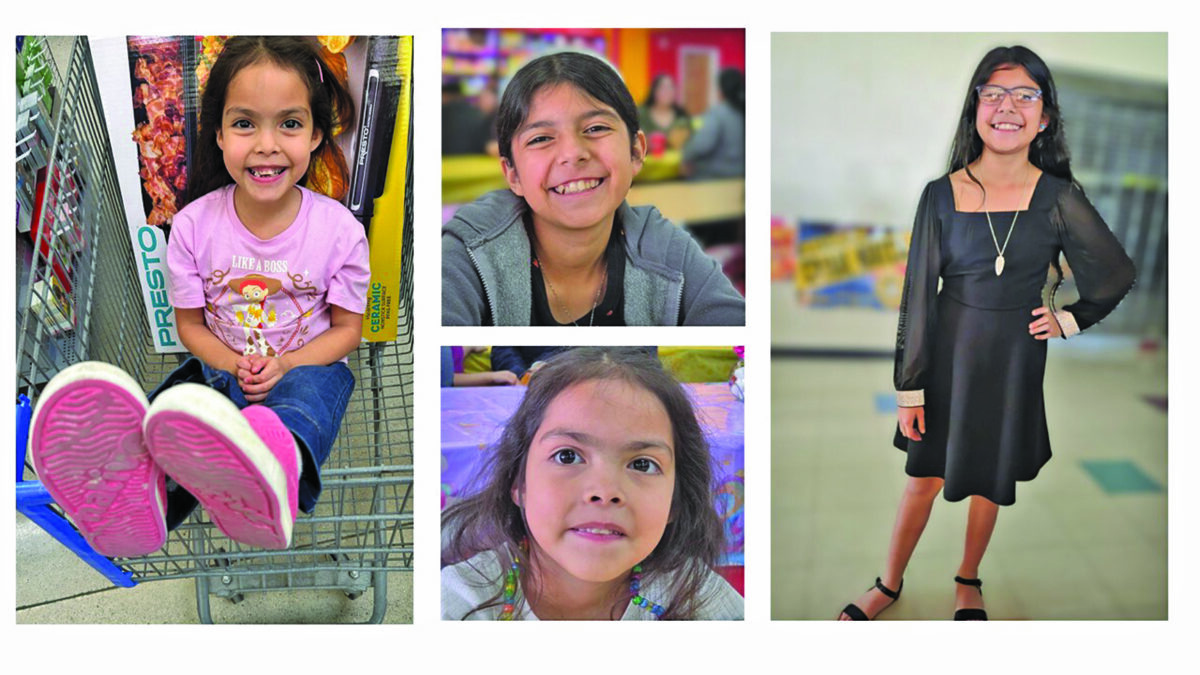
Meet 12-year-old Serenidad, who prefers to go by Mia, and her 6 year old baby sister Mi Alma.
Mia is a bright, well-spoken and energetic child who enjoys staying busy and trying new things. Mia loves creative activities such as painting, coloring, crafting, and collecting Pokémon cards, which gives her a fun way to express her imagination and personality.
Mia is a very cheerful child who shows strong self-confidence, enthusiasm, and natural curiosity about the world around her. These traits help her build an authentic and positive sense of who she is. Mia also demonstrates leadership qualities through her responsibility, integrity, and strong work ethic, along with her desire to be a positive role model for others, especially for her little sister.
One of Mia’s favorite sports is basketball, and she looks forward to the opportunity to join her school’s basketball team. She also enjoys activities that challenge her thinking, such as playing with Legos and building blocks.
Mia likes attending church and being involved in her church’s youth group. She is outgoing and enjoys participating in plays and giving speeches, showing confidence and comfort when speaking in front of others.
Mi Alma, who is 6 years old, is a sweet, loving child who enjoys using her imagination to bring the world around her to life.
She loves playing with her toys and creating stories and adventures in her mind, especially with favorites like Barbies, toy appliances, and stuffed animals.
Mi Alma has a big heart for animals and enjoys playing with them whenever she can, with dogs being her favorite. Her caring nature shines through in the way she connects with animals and treats them with affection.
Also on the list of fun activities is arts and crafts, as she often comes home proudly carrying her drawings, letters, paintings, and other creative projects.
Her playful spirit, creativity, and gentle personality make her a joy to be around.
If you think you could be a forever family for Mia and Alma or another Texas child, please call 1-800-233-3405 for more information or visit www.adoptchildren.org where you can find a schedule of online public information meetings, and learn about the foster/adoption program.
You can also view the www.heartgallerystx.org
Devine school board votes to expand health care education
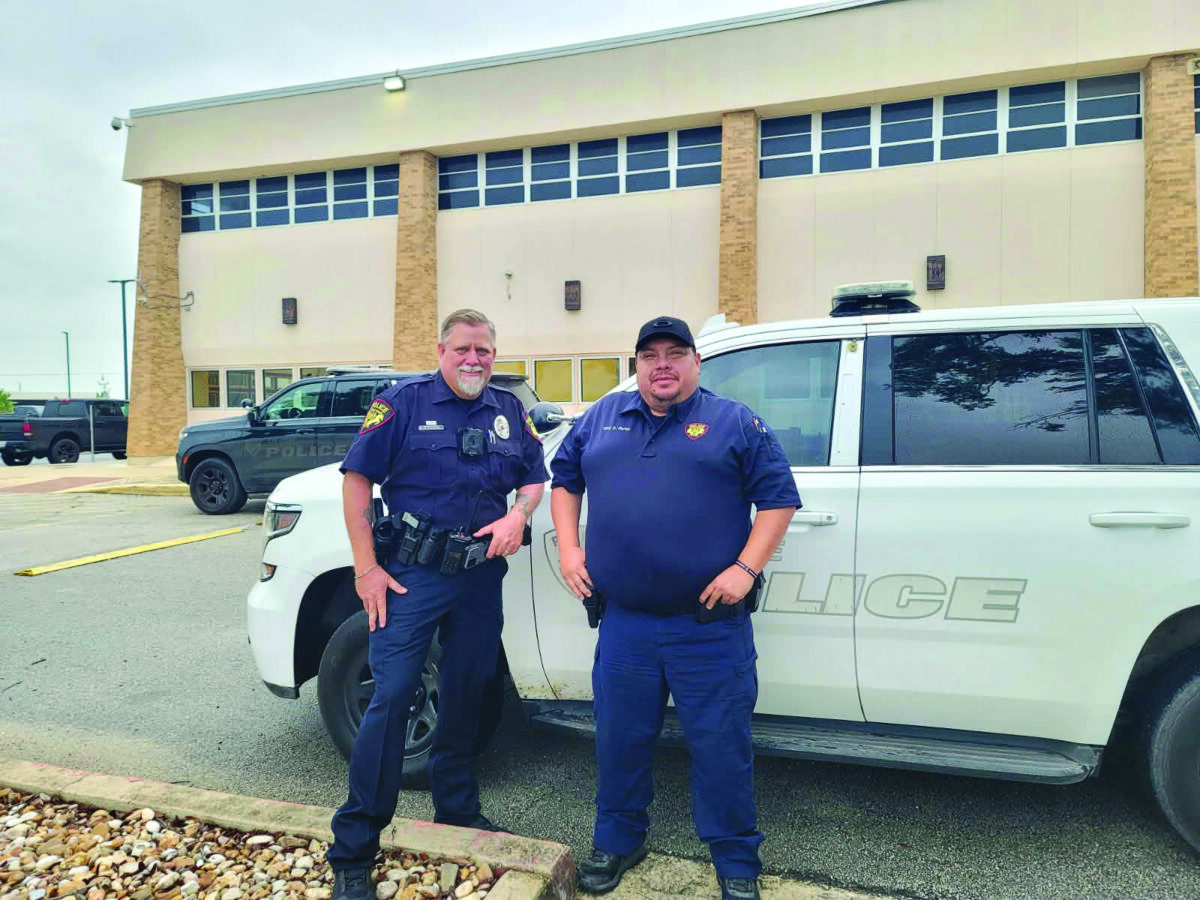
Donny Whitaker (left) will join the team as a second School Resource Officer for Devine ISD along with SRO Eliseo Perez (right). Photo by KK Calame.
By Anton Riecher
The Devine ISD school board reviewed and acted on several operational and policy items Monday including approval of a new full-time career and technical education (CTE) teaching position for the district’s patient care technician program.
District Superintendent Todd Grandjean said that the expanded program will build on the present district health services program.
“This is the exact direction we were heading when we had our health services program that nurse (Joslyn) Wilson was teaching before,” he said. “That was two classes this past year. Now we are moving into a six-class regimen in partnership with Southwest Texas College.”
Devine ISD offers a Career and Technical Education (CTE) Health Science program at Devine High School, which allows…LOGIN TO CONTINUE READING at www.devinenewsmembers.com. You will get instant access to our full E-edition, and begin getting the newspaper delivered to your home next week for $36 a year in Medina County. Support important local city, county, and school news like this!